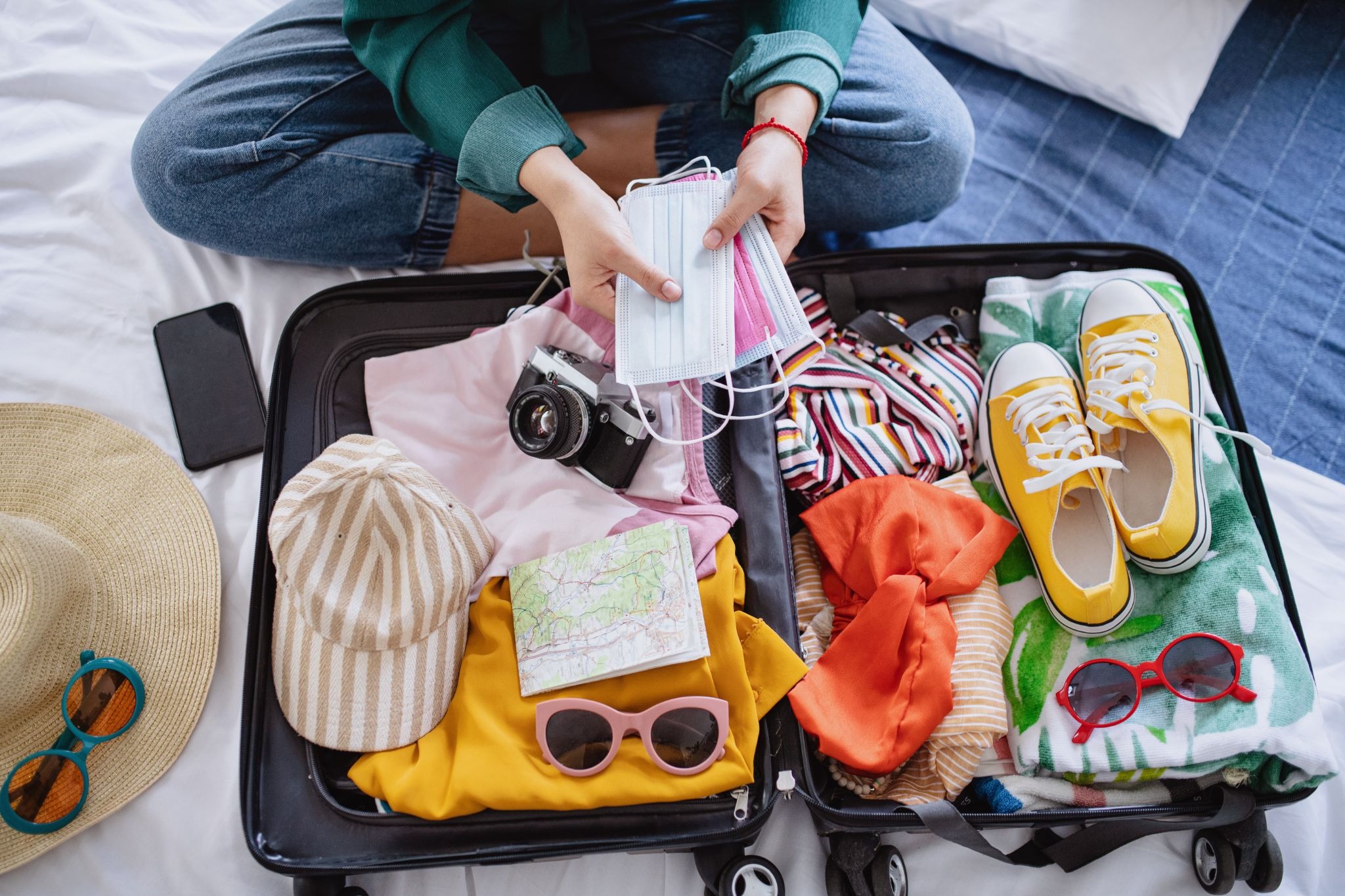
A well-planned packing list can completely change how your trip feels. Many travelers rely on generic lists or repeat what worked on a previous trip, but this often leads to overpacking or missing essentials. Every destination is different, and the time of year can shift conditions in ways that are easy to underestimate. Planning your packing list with these two factors in mind helps you stay prepared without carrying unnecessary weight. It creates a balance between flexibility and efficiency, allowing you to travel with confidence instead of constantly adjusting your choices.
Why a Customized Packing List Matters for Every Trip
A generic packing list assumes that all trips have the same requirements, which is rarely true. Climate, culture, infrastructure, and travel purpose all influence what you actually need. When your packing list is tailored to your destination and season, it becomes more precise and practical. You avoid carrying items that never get used, and you reduce the chances of needing to buy something at the last minute. This approach also improves your overall travel experience because you are not dealing with constant inconvenience. Instead, everything you packed serves a clear purpose, making your journey smoother and more predictable.
Analyzing Your Destination Before You Pack
Effective packing starts with understanding where you are going. Without proper research, even a well-organized list can fail to meet your needs.
Climate and Weather Patterns
Many travelers check only the average temperature, which often leads to poor decisions. Weather can vary significantly within a single day, and factors such as humidity, wind, and altitude can change how temperatures feel. Looking at temperature ranges and recent weather patterns gives a more accurate picture. This helps you prepare for both expected conditions and possible changes, ensuring that your packing list remains practical rather than limited.
Cultural and Regional Expectations
Clothing choices are influenced not just by weather but also by local norms. Some destinations have specific expectations around modesty or formality, while others are more relaxed. Ignoring these factors can make you feel uncomfortable or out of place. A thoughtful packing list considers how you want to present yourself in different environments, allowing you to move confidently through various settings without concern.
Urban vs. Remote Destinations
The type of destination also affects how much you need to pack. Urban areas offer easy access to shops and services, which means you can replace items if necessary. Remote locations require a more self-sufficient approach. Essentials such as toiletries, medications, and specialized gear become more important because access may be limited. Recognizing this difference helps you decide what must be included and what can be left behind.
Factoring in the Time of Year for Smarter Packing
The time of year can change the nature of your destination more than you might expect. A place that feels warm and comfortable in one season may become cold or unpredictable in another. Seasonal changes also affect daylight hours, crowd levels, and available activities, all of which influence what you should pack. A strong packing list adapts to these shifts by focusing on flexibility. For example, traveling during transitional seasons requires clothing that can handle both warm and cool conditions. Planning for the season ensures that you are prepared for the full experience of your trip rather than just the average conditions.
Building a Flexible Packing List Framework
A reliable system makes packing easier over time. Instead of creating a new list for every trip, you build a structure that can be adjusted as needed.
Core Essentials That Apply to Any Trip
Some items remain constant regardless of destination or season. Travel documents, identification, basic toiletries, and health-related items form the foundation of your packing list. These essentials should always be prioritized and organized in a way that makes them easy to access. Keeping them consistent across trips reduces the chances of forgetting something important and simplifies the packing process.
Layering Strategy for Changing Conditions
Layering is one of the most practical approaches to packing. Instead of relying on heavy, single-purpose clothing, you combine lighter pieces that can be adjusted based on the weather. This method allows you to adapt to temperature changes without carrying bulky items. It also increases versatility, as the same pieces can be used in different combinations. A layering strategy ensures that your packing list remains efficient while still covering a range of conditions.
Choosing Clothing Based on Destination and Season
Clothing selection should be intentional rather than repetitive. Fabrics, weight, and versatility all play a role in how effective your packing is. Lightweight and breathable materials work best in warm climates, while insulating fabrics are essential for colder environments. In humid conditions, comfort becomes a priority, making breathable clothing more important. Versatile pieces that can be worn in multiple ways help reduce the number of items you need. A strong packing list focuses on adaptability, ensuring that each piece contributes to multiple outfits or situations.
Adapting Your Packing List for Specific Travel Scenarios
Different types of trips require different approaches, and adjusting your packing list accordingly improves both comfort and efficiency.
Beach and Tropical Destinations
Warm destinations require lightweight clothing and protection from the sun, but it is also important to prepare for occasional weather changes. A mix of breathable clothing and a few protective layers ensures that you remain comfortable throughout your stay.
Cold Weather and Winter Trips
Cold climates demand careful planning, as staying warm depends on proper layering rather than bulky clothing. Thermal layers, combined with outerwear, provide insulation while maintaining flexibility. This approach keeps your packing list efficient without sacrificing comfort.
Business and Formal Travel
Business travel introduces a different set of priorities, where appearance and organization are key. Clothing needs to remain neat, and packing methods should prevent wrinkles. Planning outfits in advance helps ensure that you are prepared for professional settings without overpacking.
Organizing Your Packing List by Priority Levels
Not everything you pack holds the same level of importance. Dividing your packing list into categories helps maintain focus and prevents unnecessary additions. Essentials should always come first, followed by items that add convenience or comfort. Optional items should only be included if space allows. This structure keeps your packing realistic and ensures that your most important needs are always covered.
Packing for Activities, Not Just the Destination
A common mistake is packing based only on location while ignoring planned activities. Your daily plans should guide your packing decisions. Activities such as hiking, dining, or attending events require different items, and failing to prepare for them can create inconvenience. A thoughtful packing list reflects how you will spend your time rather than just where you will be. This approach ensures that every item has a clear purpose and reduces unnecessary weight.
Managing Space While Following Your Packing List
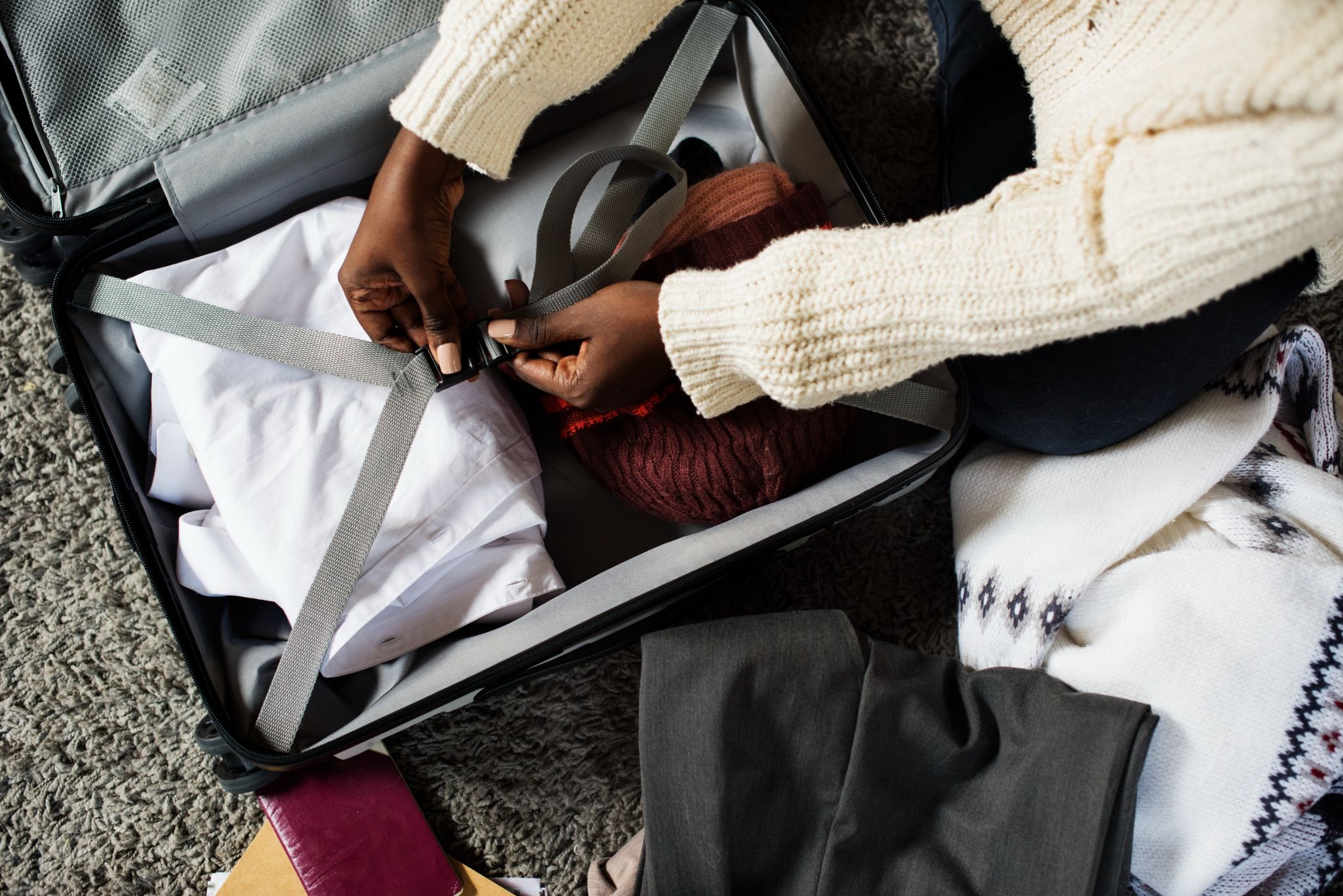
Even a well-planned list needs to be supported by efficient use of space. Carrying too much can make travel difficult, while packing too little can leave you unprepared. The key is balance. Adjust quantities based on trip length and focus on reusing items when possible. Organizing your luggage in a structured way helps maintain accessibility and prevents clutter. A practical packing list works best when it is supported by smart packing techniques.
Common Mistakes When Planning a Packing List
Many packing problems come from predictable mistakes. Relying on assumptions instead of research often leads to bringing the wrong items. Packing for unlikely scenarios adds unnecessary weight and complexity. Ignoring flexibility can make it difficult to adapt to changing conditions. These issues can be avoided by focusing on realistic needs and maintaining a balanced approach. A well-planned packing list is based on preparation rather than guesswork.
Updating Your Packing List Based on Experience
Every trip provides valuable insights that can improve your packing strategy. Paying attention to what you used frequently and what remained untouched helps refine your list over time. Creating a reusable system saves effort and reduces decision fatigue for future trips. Instead of starting from scratch, you build on past experience and make small adjustments. This process turns packing into a more efficient and predictable task.
Final Thoughts
An effective packing list is built on awareness and adaptability. It reflects your destination, the time of year, and the specific needs of your trip. By focusing on essentials, planning for variability, and learning from experience, you create a system that works consistently. The result is a smoother travel experience where you spend less time managing your belongings and more time enjoying your journey.