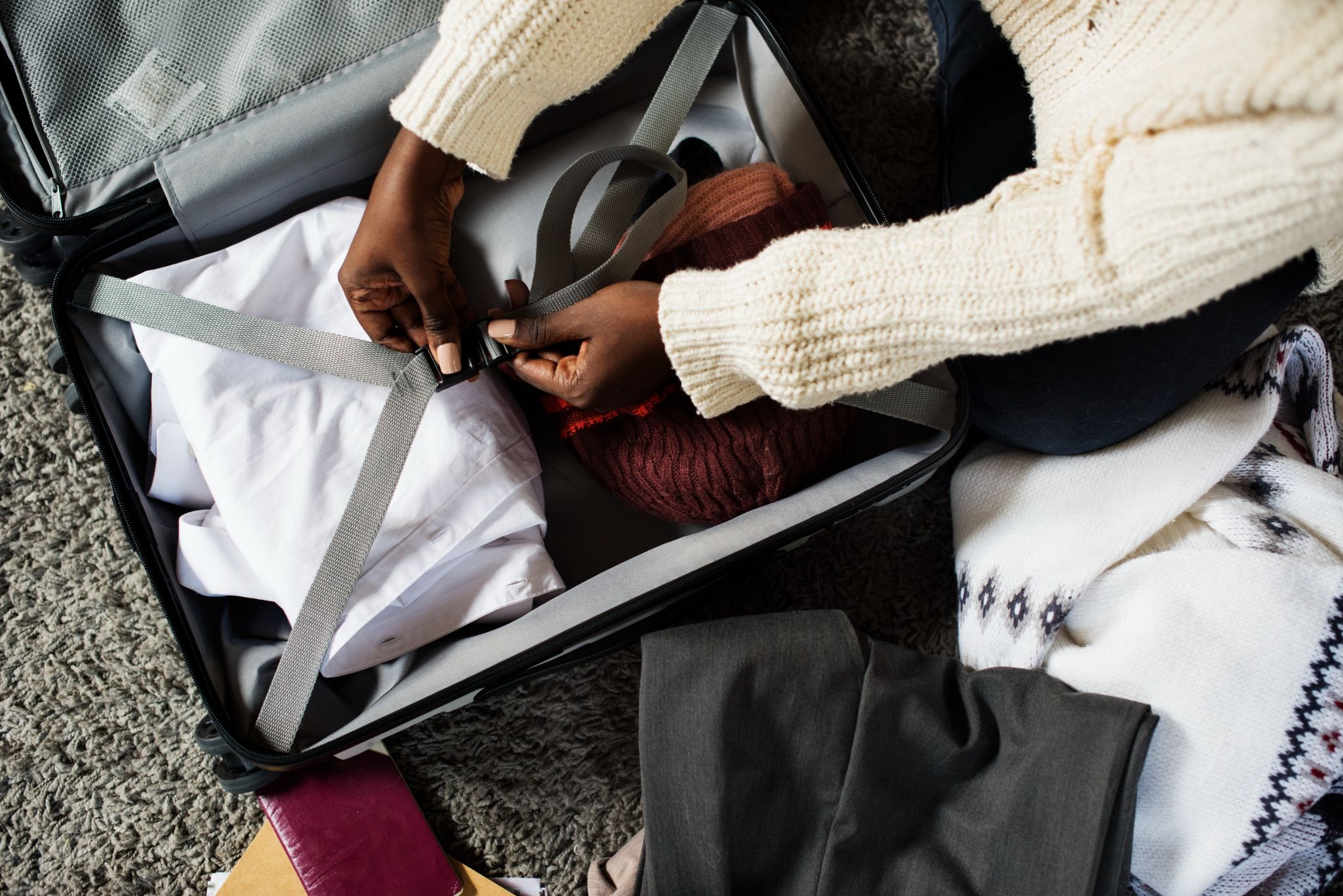
Packing often feels simple at first, but it quickly becomes overwhelming once everything starts piling up. Clothes, accessories, and essentials compete for space, and before you know it, your luggage feels disorganized and heavy. This is where smart Travel Packing Tips make a real difference. Efficient packing is not only about fitting everything into a suitcase. It is about creating a system that keeps your items accessible, protected, and easy to manage throughout your journey. When done right, it reduces stress, saves time, and improves the overall travel experience.
Why Efficient Packing Matters More Than You Think
Many travelers focus heavily on planning their destination but overlook how they pack. This often leads to frustration during the trip. Disorganized luggage slows you down, especially when you need to find something quickly. It also increases the chances of forgetting important items or damaging fragile belongings.
Efficient packing improves both convenience and control. It helps you move through airports, hotels, and transit points with ease. It also prevents unnecessary expenses like overweight baggage fees. Beyond logistics, organized luggage creates a sense of calm. When everything has a place, travel feels smoother and more enjoyable from start to finish.
Start with a Smart Packing Strategy
Packing without a clear plan usually results in overpacking and clutter. A strategic approach helps you focus on what truly matters and avoid unnecessary items.
Understanding the Purpose of Your Trip
Every trip requires a different packing approach. A business trip demands structure and professionalism, while a vacation allows more flexibility. The duration of your trip and the activities you plan will directly influence what you need to bring.
Instead of guessing, think through your schedule. Consider the weather, cultural expectations, and daily plans. This clarity helps you avoid packing items that you will never use. It also ensures you bring essentials that match your specific travel needs.
Planning Outfits Instead of Packing Items
One of the most effective Travel Packing Tips is to plan complete outfits rather than individual pieces. This approach reduces unnecessary clothing and ensures that everything you pack has a purpose.
When you create mix and match combinations, you can build multiple outfits with fewer items. Neutral colors and versatile pieces work best for this. This strategy not only saves space but also simplifies your daily routine during the trip. You spend less time deciding what to wear and more time enjoying your experience.
Choosing the Right Luggage for Better Organization
Your luggage plays a key role in how well you can stay organized. The wrong choice can make even the best packing strategy ineffective.
A suitcase with well designed compartments helps separate items naturally. Hard shell luggage offers better protection for fragile items, while soft luggage provides flexibility for fitting extra items when needed. Backpacks are ideal for mobility and short trips, especially when you need to move frequently.
Size also matters. Carrying a bag that is too large often leads to overpacking, while a bag that is too small forces you to compromise on essentials. Choosing the right size encourages discipline and helps maintain balance between space and necessity.
The Role of Packing Tools and Accessories
Packing tools are not just accessories. They are practical solutions that improve organization and efficiency.
Packing Cubes and Compression Bags
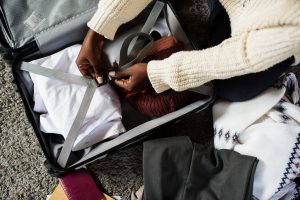
Packing cubes help divide your luggage into clear sections. You can organize clothes by category, outfit, or purpose. This makes it easier to locate items without unpacking everything.
Compression bags go a step further by reducing the volume of bulky items. They are especially useful for jackets, sweaters, and long trips where space is limited. When used correctly, these tools can significantly increase the capacity of your luggage without making it feel crowded.
Travel Organizers for Small Essentials
Small items are often the hardest to manage. Chargers, toiletries, and documents can easily get lost inside a suitcase. Travel organizers solve this problem by keeping everything in one place.
A dedicated toiletry bag prevents leaks from spreading. A tech organizer keeps cables untangled. A document holder ensures that important papers are always accessible. These small additions create a more structured packing system and reduce unnecessary stress during travel.
Space-Saving Techniques That Actually Work
Efficient packing is not just about what you pack. It is also about how you pack it. Simple techniques can make a significant difference in how much you can fit into your luggage.
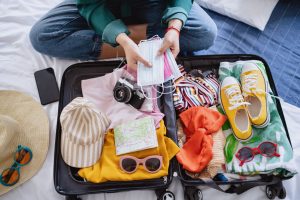
Rolling clothes instead of folding them helps save space and reduces wrinkles. Layering items strategically allows you to use every inch of your suitcase. Filling empty spaces, such as inside shoes or corners of the bag, ensures that no space is wasted.
These techniques may seem small, but together they create a noticeable improvement in organization and capacity. They also make it easier to maintain order throughout your trip.
Organizing Luggage by Categories Instead of Chaos
A common mistake travelers make is packing everything together without a clear system. This leads to confusion and constant repacking.
Separating Clothing, Accessories, and Essentials
Creating categories within your luggage helps maintain structure. Clothes should be grouped together, while accessories and essentials should have their own sections. This makes it easier to find what you need without disrupting the entire bag.
A categorized system also speeds up unpacking and repacking. You always know where each item belongs, which saves time and effort during your trip.
Keeping Dirty and Clean Items Apart
Maintaining separation between clean and used items is essential for hygiene and organization. Without this, your luggage can quickly become messy and unpleasant.
Using a simple laundry bag or a dedicated compartment helps keep things under control. This is especially important for longer trips where you accumulate worn clothes over time. A small habit like this can make a big difference in how organized your luggage remains.
Packing Essentials You Should Never Forget
No matter how well you plan, certain essentials should always be prioritized. These include travel documents, identification, medications, and daily use items.
Keeping these items easily accessible is crucial. They should not be buried deep inside your luggage. Instead, place them in a location where you can reach them quickly when needed.
It is also wise to carry backups for important items. Copies of documents, extra chargers, and basic medical supplies can help you handle unexpected situations without stress.
Managing Liquids, Toiletries, and Fragile Items
Liquids and fragile items require special attention during packing. Without proper handling, they can cause damage to other belongings.
To prevent leaks, always seal liquids tightly and place them in protective pouches. Keeping them separate from clothing adds an extra layer of safety. For fragile items, use soft clothing as padding. This provides protection without adding extra weight.
Understanding airline restrictions for liquids is also important. It helps you avoid delays and ensures a smoother experience at security checkpoints.
Minimizing Overpacking Without Sacrificing Comfort
Overpacking is one of the most common travel mistakes. It adds unnecessary weight and makes your luggage harder to manage.
The key is to focus on versatility. Choose items that can serve multiple purposes. Clothing that can be worn in different combinations reduces the need for excess pieces.
Reusing outfits is another practical approach. Most trips do not require a completely new outfit every day. Being realistic about your needs helps you pack lighter without compromising comfort.
Smart Carry On Packing for Easy Access
Your carry on bag should be organized differently from your main luggage. It should contain items that you may need during transit or immediately after arrival.
This includes travel documents, valuables, electronics, and a change of clothes. Keeping these essentials within reach ensures that you are prepared for delays, long flights, or unexpected situations.
Organizing your carry on also helps during security checks. When items are easy to access, the process becomes quicker and less stressful.
Adapting Packing Strategies for Different Types of Trips
Packing is not a one-size-fits-all process. Different types of trips require different approaches.
Short Weekend Getaways
Short trips require simplicity and efficiency. A compact bag with carefully selected outfits is usually enough. The focus should be on essentials and avoiding unnecessary items.
Long Term or International Travel
Longer trips demand flexibility. You need a balance between essentials and adaptability. Packing versatile clothing and planning for laundry options helps reduce the need for excessive items.
Business Travel Packing
Business travel requires a more structured approach. Clothes need to remain neat and presentable. Wrinkle-resistant fabrics and proper folding techniques help maintain a professional appearance throughout the trip.
Common Packing Mistakes That Lead to Disorganized Luggage
Many packing problems come from avoidable mistakes. Packing at the last minute often leads to poor decisions and unnecessary items. Ignoring weather conditions can result in bringing the wrong clothing. Failing to organize items properly creates confusion during the trip.
Another common issue is overestimating needs. Travelers often pack for every possible scenario instead of focusing on realistic situations. Avoiding these mistakes requires planning, awareness, and a disciplined approach to packing.
How to Repack and Stay Organized During Your Trip
Staying organized does not end once you arrive at your destination. Maintaining order throughout your trip is just as important.
Simple habits can help. Returning items to their designated place after use keeps your luggage neat. Separating dirty clothes daily prevents buildup. Repacking regularly ensures that your bag stays manageable.
These small actions take little effort but make a big difference in maintaining organization throughout your journey.
Final Thoughts
Efficient packing is a skill that improves with experience. The more you travel, the better you understand what works for you. A strong system is built on planning, organization, and adaptability.
By applying these Travel Packing Tips, you can create a packing routine that saves time, reduces stress, and enhances your travel experience. The goal is not perfection but consistency. When your packing process becomes structured and reliable, every trip feels easier and more enjoyable.
FAQs
1. What are the most effective travel packing tips for beginners?
Start by planning outfits, choosing versatile clothing, and using packing cubes. Focus on essentials and avoid last-minute packing to keep your luggage organized and manageable.
2. How can I avoid overpacking for a trip?
Create a list based on your itinerary and stick to it. Choose multi-purpose items and limit clothing to mix and match outfits to reduce unnecessary bulk.
3. Are packing cubes really useful for organizing luggage?
Yes, packing cubes help separate items into categories, making it easier to find things quickly and maintain organization throughout your trip without unpacking everything.
4. What should I always keep in my carry-on bag?
Keep travel documents, valuables, medications, electronics, and a change of clothes in your carry-on so you are prepared for delays or unexpected situations.
5. How do I keep my luggage organized during a long trip?
Maintain simple habits like separating clean and dirty clothes, repacking regularly, and returning items to their place to keep your luggage neat and easy to manage.